

Why a Biotech Founder Chose Skincare as His Beachhead: Applying DE Framework to Deep Tech
The Disciplined Entrepreneurship Toolbox
Stay ahead by using the 24 steps together with your team, mentors, and investors.

The books
This methodology with 24 steps and 15 tactics was created at MIT to help you translate your technology or idea into innovative new products. The books were designed for first-time and repeat entrepreneurs so that they can build great ventures.
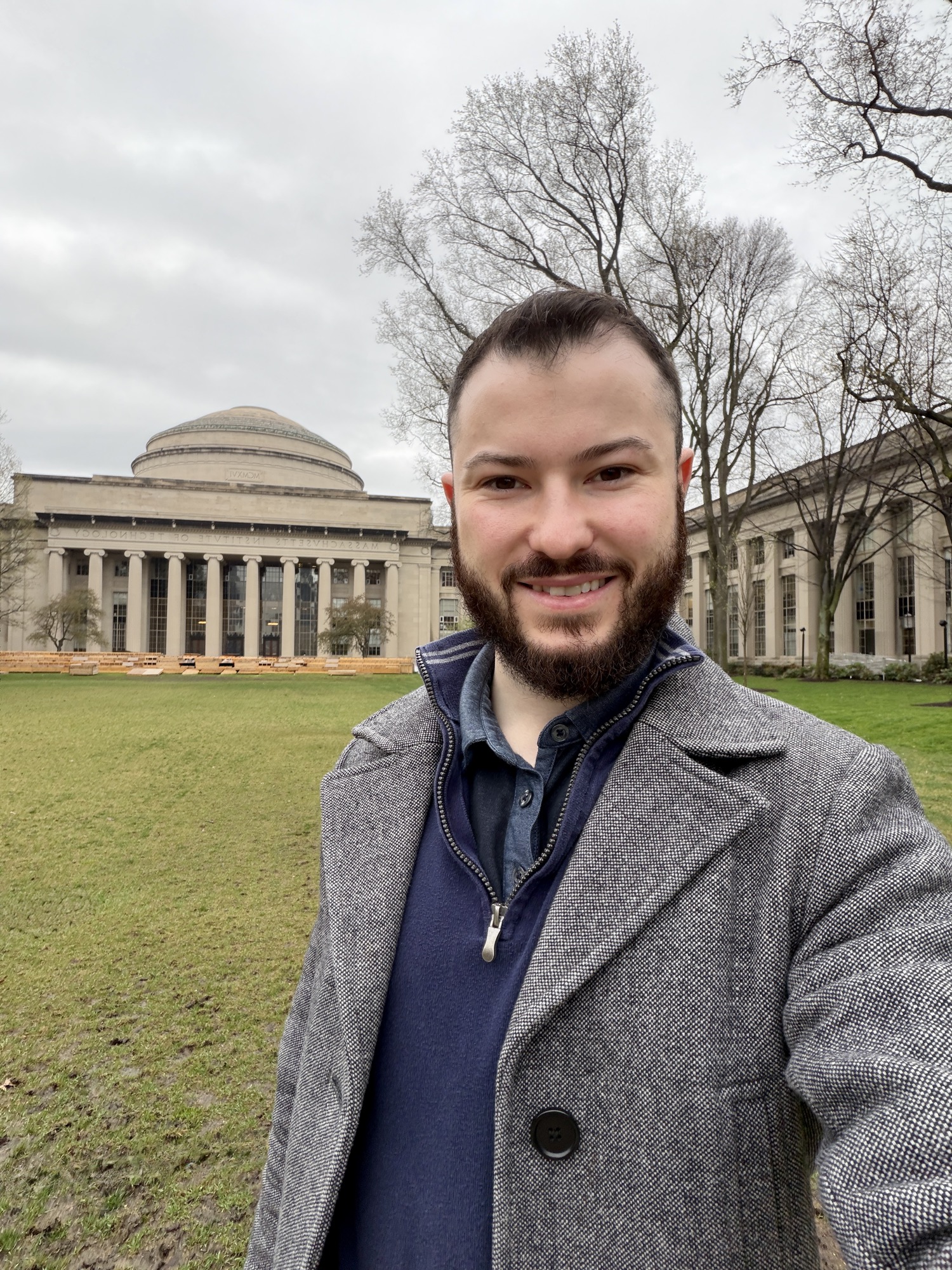
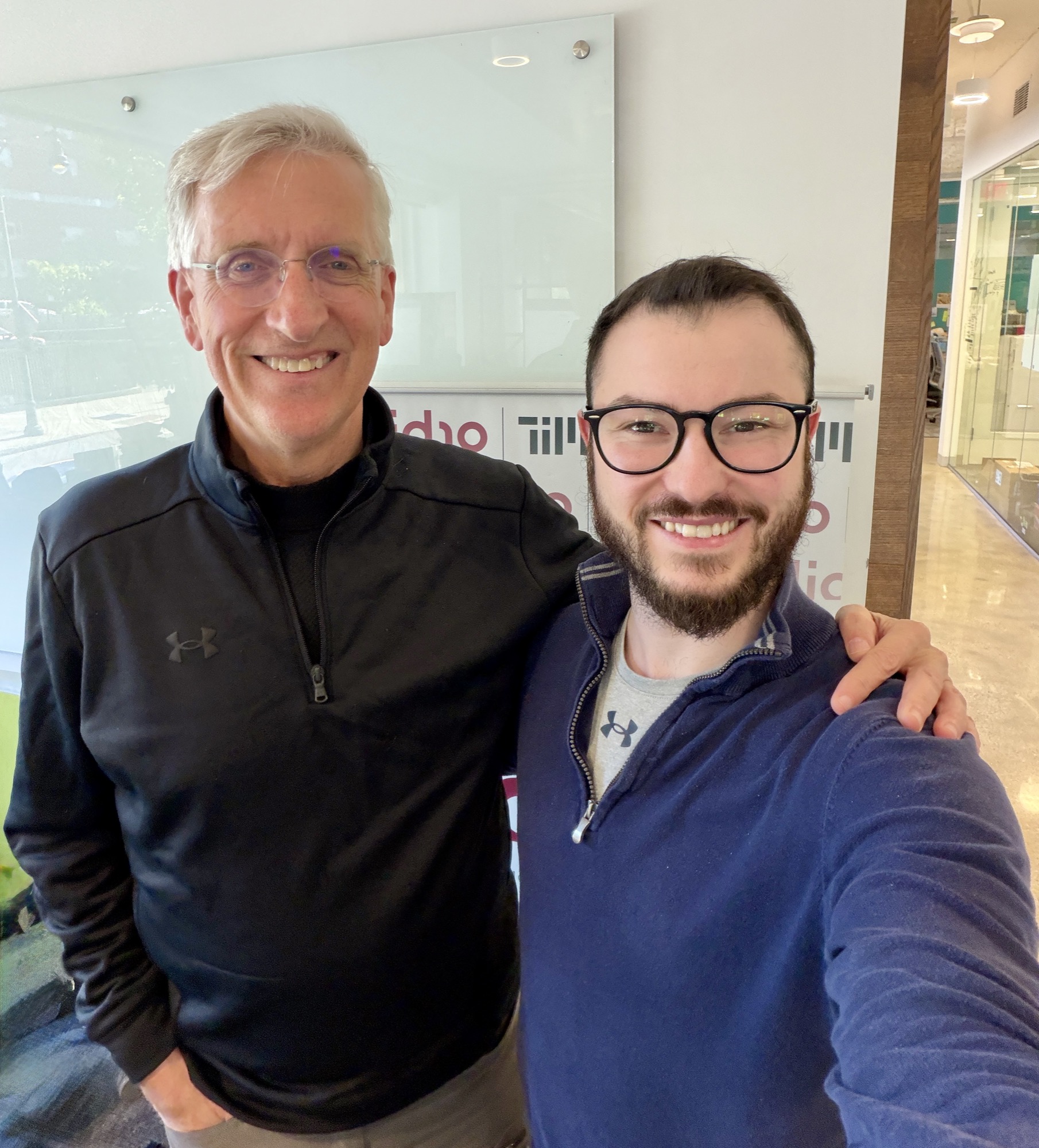
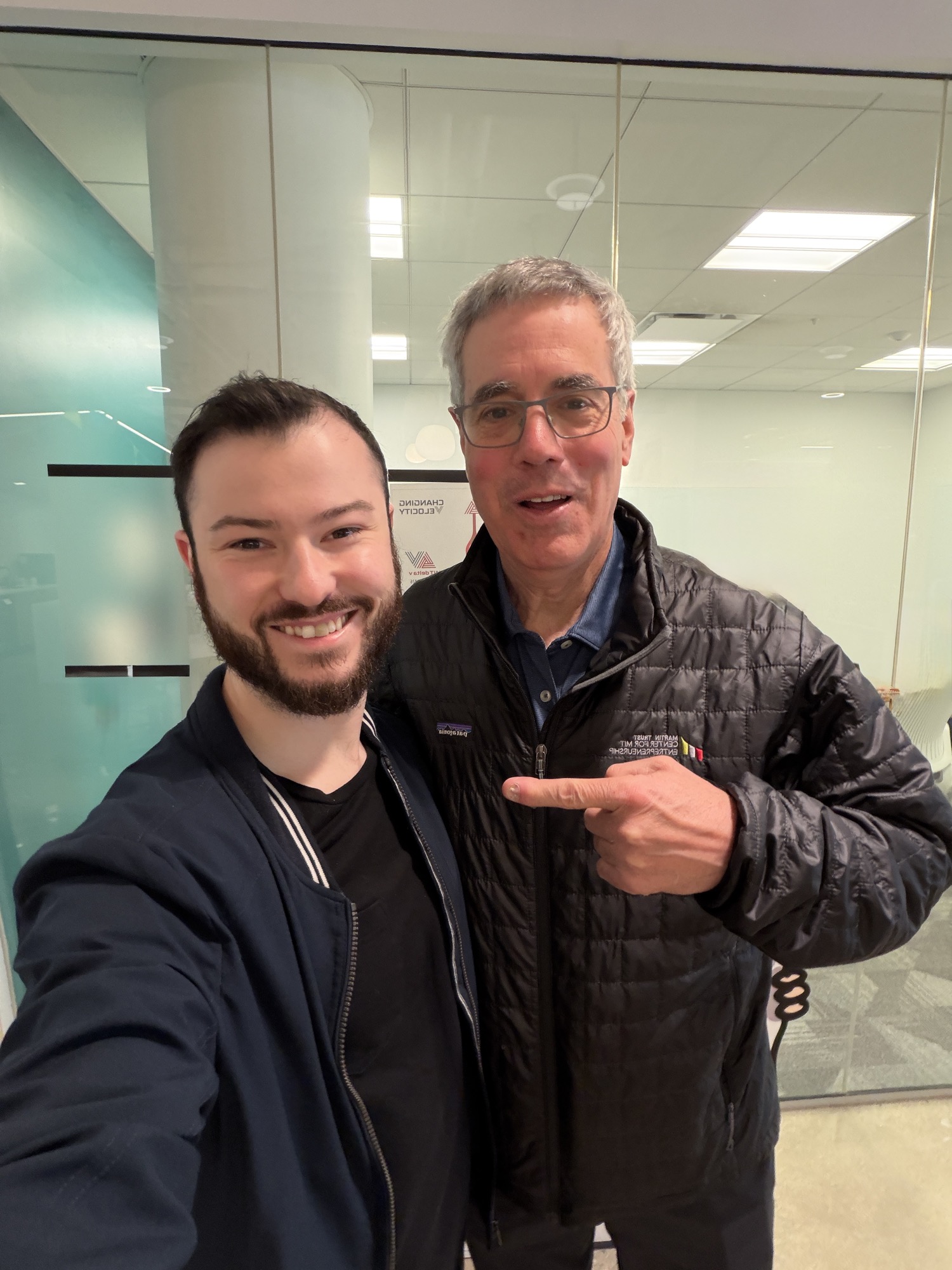
By Frederic St-Denis-Bissonnette, PhD, founder and CEO of BioThera Solutions Inc., an Ottawa biotech platform that researches, develops and manufactures plant-derived extracellular vesicles (EVs; exosomes), and a 2026 Fulbright Canada entrepreneurship award recipient hosted at MIT’s Martin Trust Center
I’m applying Disciplined Entrepreneurship (DE) framework principles exactly as intended. My focus is to derisk the venture systematically until success becomes inevitable. A therapeutic-first pathway creates a terrible risk-to-reward ratio: slow learning, heavy dilution, a long go-to-market, and no revenue for years. Instead, I chose skincare as our beachhead, because it lets me apply the Build-Measure-Learn loop to EV technology with minimal regulatory friction and immediate customer feedback. While BioThera does not sell cosmetics itself, our biomanufacturing platform produces EV ingredients that, depending on the formulation, can serve different verticals. Their first commercial application is in dermocosmetics, as an ingredient supplied to a skincare brand – Vesera.
I’m building BioThera outside traditional systems, as an independent company, not a university spinout, which forces discipline and preserves founder control. Skincare is the ideal beachhead because it captures real demand, moves fast, generates revenue, and derisks the foundations every later application, therapeutics included, will rely on: scalable manufacturing, an experienced team, and credibility with customers and partners. We also have a fundamental advantage with plant-derived EVs, which consumers perceive as safer and more acceptable. This is the path that preserves ownership, compresses risk, accelerates learning, and builds a platform that scales into therapeutics once the foundation is strong. If the thesis holds, dermocosmetic revenue will fund the platform’s growth and open new avenues of research, rather than leaving the company dependent on dilutive capital.
DE Framework Has Been the Structural Backbone of My Venture
Coming from a scientific background, the DE framework gave me something that my academic training never provided: a practical, sequential roadmap for reducing uncertainty. It felt like clearing fog from a map. Each step removed ambiguity, imposed discipline, and made decisions testable. For deep-tech founders, this structure is invaluable.
DE framework has been the single most influential framework in shaping my company. It enabled me to build outside institutional systems with disciplined sequencing, fast iteration, and capital efficiency, while still pursuing a 20-plus-year therapeutic vision for the platform. Instead of following the conventional biotech playbook (i.e., long R&D cycles, heavy capital needs, early dilution, and long feedback loops), DE framework guided me to optimize for learning speed, minimize risk, and keep founder leverage. My overall strategy comes from one core reality: in deep tech, the order in which you tackle risks decides whether you survive long enough to succeed.
Why My Beachhead Is Skincare Instead of Therapeutics
On the surface, starting with skincare looks like a leap away from a therapeutic mission for an EV company. After weighing alternative entry markets on capital requirements, time to customer feedback, regulatory burden and platform-development value, I chose dermocosmetics as BioThera’s first commercial market, via Vesera as the commercial operating brand. The biggest value of DE framework for me has been its insistence on sequencing: remove the risks you can test cheaply and quickly first, and take on the expensive ones only once the platform can carry them. Many biotech founders, myself included at first, follow a science-first instinct. The DE framework forced me into a customer-centric, risk-centric sequencing process that is still less common than it should be in the life sciences.
Choosing a beachhead is even harder for a deep-tech startup, because deep-tech startups are tech-centric by default, not customer-centric. They have to retrofit the technology to a customer, and make sure they are not inventing the problem but tackling a real one with the technology. That runs against what DE framework recommends, but I think a special case can be made for deep tech. To be clear, this exact path will not fit every life-science or deep-tech venture, and many technologies have no comparable near-term market. The point is to encourage thinking outside the box: the fastest route to a given destination is not always the most obvious one.
Therapeutics is the largest eventual opportunity, but the worst possible beachhead:
- Ten-year timelines that delay customer feedback for years, millions required upfront, and heavy dilution, which means a loss of founder control after countless sacrifices.
- Long feedback cycles, extreme regulatory friction (regulatory risk before the platform is mature), and existential technical risk.
- We have seen what this path can cost. Codiak BioSciences, from Cambridge, Massachusetts, US, one of the best-funded EV therapeutics companies, with dedicated manufacturing and a major pharma partnership, went public in 2020 and filed for bankruptcy in 2023. Closer to home, Ottawa’s Turnstone Biologics built on world-class local science, signed major pharma partnerships and went public in 2023, then wound down its programs and was sold for a fraction of what it had raised. Like countless other biotechs, both had an inspiring mission, a strong team and great science, and still did not make it. There are many reasons this happens, but I believe sequencing is a big one: you can have all the right ingredients and still fail if they come in the wrong order. To be fair, the therapeutic-first route can also produce extraordinary outcomes: Moderna, and many others, are proof of that. The point is that every founder must find the sequence that works for their venture, and then stay resilient through all the opposition and opinions that will come their way. None of this guarantees success: you run the arithmetic, stack the odds as best you can, and hope your luck pans out. To the founder: trust your vision, because not many will at first.
DE framework forces a founder to choose a beachhead where they can win early and learn fast. Skincare offers – at least for BioThera’s exosome technology:
- A massive unmet need, rapid Build-Measure-Learn cycles that accelerate deep-tech learning, low regulatory friction, high willingness to pay (and some resistance to recessions), strong margins, and immediate customer access.
- A way to validate manufacturing, dosing, stability, quality control, and safety, all of which therapeutics will later require, without the existential cost of failing early.
- Technical moats and platform logic that align with DE framework principles. Our platform is built on plant-derived vesicles, which gives us an asymmetric advantage: it avoids the ethical, safety, regulatory, and supply issues of human or animal EVs, while offering lower expected immunogenicity, minimal viral risk compared with animal sources, and a more sustainable, scalable and cost-effective supply. It also appeals to a wider market for functional vesicle/exosome products.
The evidence matters more than the argument. On very limited resources, cost-effective R&D has taken our platform from a laboratory protocol to a scalable biomanufacturing process, roughly technology readiness level (TRL) 7-8, protected by filed IP and backed by a comprehensive biomolecular characterization dataset. Our exosome ingredient meets Health Canada’s cosmetic notification requirements, and a small preliminary dermatological study supported feasibility and safety, gave early signs of efficacy, and made the product markedly better. Demand is ahead of supply: customers are waiting for launch, and dermatology clinics are ready to engage once functionality is demonstrated, which our second clinical study is designed to show.
DE’s Core framework helped me anchor the company on defensible differentiation, not just scientific novelty. That point deserves emphasis, because most scientists think about how cool or innovative a technology is without understanding market rollout and adoption.
Sequencing matters enormously. Choosing the right beachhead will make or break the business and dictate the long-term vision. I am often criticized for my beachhead, because people contrast it with the therapeutic work I’m known for (for years, I developed anti-cancer vesicle therapeutics), and it can give a greedy impression. That only happens with those who don’t know me well. Choosing skincare is not a shortcut. I fundamentally believe that it is the fastest path to bringing EV therapeutics to the market at large and responsibly. It’s strategic, and it exemplifies DE framework. In fact, the therapeutic path is real, as we have already filed IP toward therapeutic applications of the same platform. Again, it is a matter of sequencing, and our priority today is to build the platform on a proper foundation.
Founders must operate from real leverage, not illusory leverage. DE framework combined with Lean Startup is powerful for deep tech precisely because it builds that leverage through validated learning, not speculation.
Brainstorming with Orbit JetPack (MIT) helped me generate initial hypotheses, but the final validation came from real-world testing. In the future, I believe AI will be used to identify optimal beachheads by optimizing risk-to-success ratios, which could become a transformational tool for deep-tech founders and a natural complement to DE framework.
Operating Outside the System Makes DE Framework Even More Necessary
BioThera is an independent startup. It has no university-owned IP and no venture capital (aside from angel investments). It is one of those rare cases where a biotech can be bootstrapped (BioThera recognized with a Bootstrap Award in Innovation). The foundation was built while I was finishing my PhD. DE gave me a way to replace the missing infrastructure founders face, and to be creative and very lean with resources. Non-dilutive programs such as Lab2Market, IPON, ElevateIP, the University of Ottawa Entrepreneurship incubator and FedDev have helped fill part of that gap.
For founders in environments like mine, DE framework isn’t just helpful, it’s necessary. It provides the structure and decision-making rigor that the ecosystem itself often lacks. Canada has a structural innovation gap:
- Canada’s R&D spending fell about 3% in 2024, leaving R&D intensity at about 1.8% of GDP, well below the OECD average of about 2.7%. Comparatively, the US and Israel spend 3.5% and 6.8% of their respective GDP on R&D. Sources: Statistics Canada and OECD.
- The latest Canadian Federal Budget (2025) set aside up to $1.7B to recruit international researchers, including $1B over 13 years for new research chairs, while trimming the granting councils’ base budgets and adding no new core funding to sustain the scientific talent already here, with a focus on recent graduates. Canada remains top-tier in research impact (6th globally on citation metrics, 2012 to 2023) but has slipped to 11th in publication output, and it lags most of its peers in business R&D and commercialization.
For a founder trying to commercialize deep science in Canada, this creates a paradox: the scientific foundation is world-class, but the commercialization ecosystem is structurally underdeveloped. Some university incubators are trying to close the gap, but they need more capital to support startups. MIT has also been working with a new Canadian organization, L2M, whose mission is to tackle this translation problem head-on by giving graduate student founders resources; I have been one of its beneficiaries. This environment heavily shapes how a biotech founder must operate.
Lessons for DE in Low-Translation Ecosystems
- Industry pull is limited, so startups cannot rely on corporate partnerships to advance deep tech. DE provides a roadmap to create momentum independently.
- Capital is conservative, especially for biotech, which makes DE’s beachhead strategy of fast validation with minimal capital essential for survival. That is despite life sciences delivering the strongest 10-year venture capital returns of any sector in Canada (BDC).
- Most deep-science ventures die in the funding valley between discovery and market validation. DE framework forces customer engagement early and shortens time to market.
- Policy incentives favor attraction over retention, signaling weak support for long-term domestic innovation. DE framework lets scientific founders build durable value despite these structural gaps.
My approach is not simply a personal preference. It is a rational adaptation to Canada’s innovation landscape, where research is rewarded but commercialization is not, grants often cannot fund market validation, capital for therapeutic biotech is limited and slow, long regulatory timelines are lethal without major backers, and the system is designed for academic careers rather than translational ones. So, DE framework becomes not just a framework, but a survival mechanism.
What I Would Add to DE Framework
A useful addition to the next edition would be explicit guidance for founders in deep-tech and regulated industries, in low-translation ecosystems, and in long-horizon platform ventures. These founders face a unique set of constraints that DE framework is particularly well suited to address. I also believe DE framework would benefit from more on sales and fundraising strategy (Bill and Marius’s new book, Disciplined Entrepreneurship: Finance for Founders, is a welcome step on the fundraising side). I understand the value of keeping the 24 steps focused and concise, but weaving these themes through the existing structure, even without adding new steps, would significantly strengthen the framework for readers.
Canada’s numbers illustrate a global pattern: countries that excel at scientific research often fail at commercialization unless their founders are trained in structured, disciplined entrepreneurial thinking. DE framework is uniquely positioned to fill that gap.